World Cup 2026 Operations Playbook: What Sports Betting and iGaming Teams Need Before Kickoff
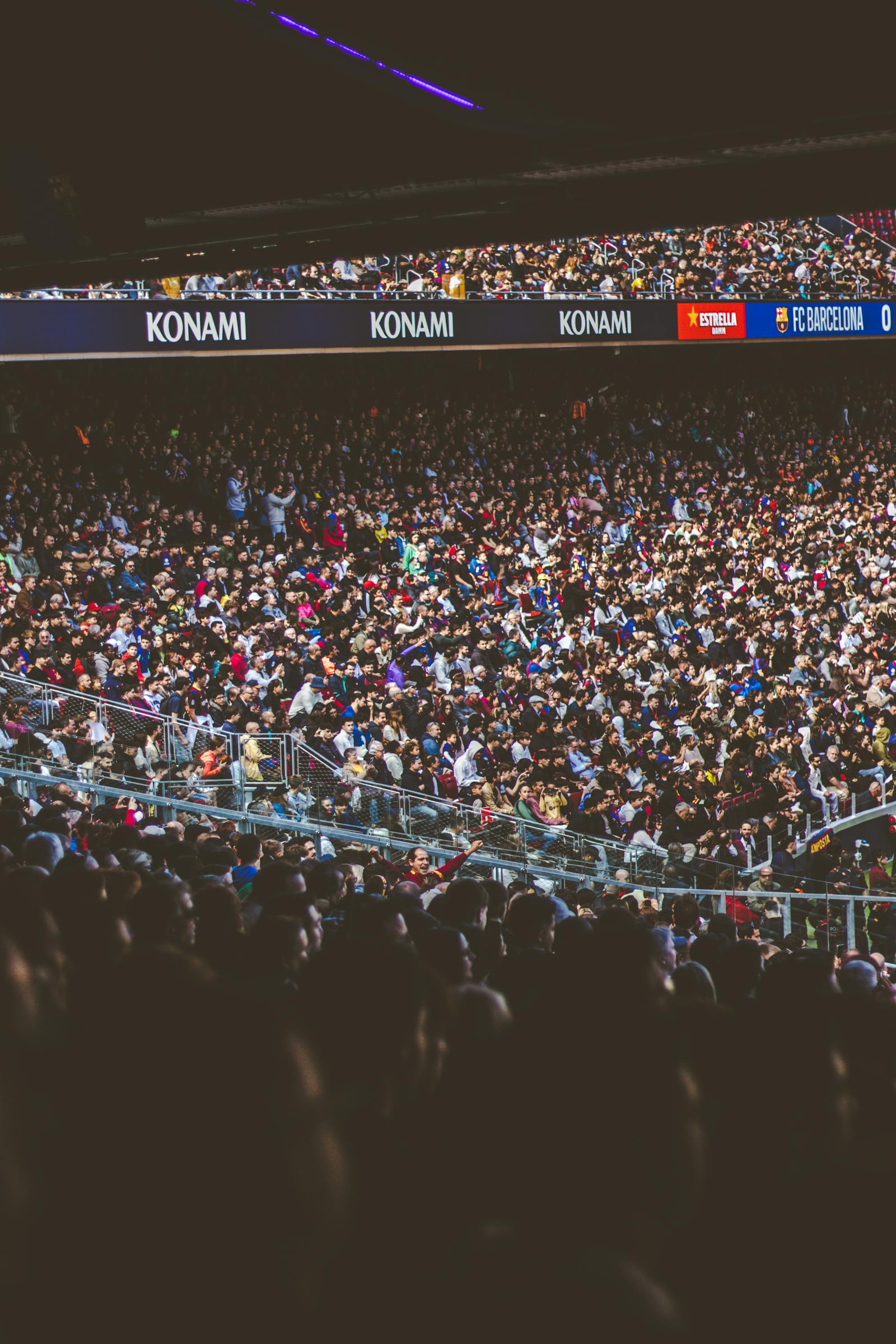
World Cup 2026 is not just a sports calendar event. For betting and casino operators, it is a month-long stress test across payments, fraud, customer support, responsible gaming, retention, product reliability, and executive decision speed.
The event is large enough to change normal behavior. Casual fans open accounts. Dormant players return. VIPs move faster. Fraud groups follow the liquidity. Affiliates push harder. Support queues fill with first-time questions that look simple until they arrive in bulk.
Why this World Cup is operationally different
The official FIFA World Cup 2026 match schedule spans Canada, Mexico, and the United States. That means operators are preparing for a North American time-zone tournament with global attention, concentrated match windows, heavy media coverage, and high casual-player participation.
The surrounding risk environment is already active. Lloyds warned in May 2026 that football ticket scams had risen ahead of the tournament. Paysafe also highlighted that World Cup betting will put pressure on payment speed, payment choice, and checkout reliability. Bloomberg has been covering the event through its sports-business lens, including host-city preparation and the money around the tournament.
The pressure map
| Area | World Cup pressure | Failure mode |
|---|---|---|
| Payments | Deposit spikes before matches, withdrawal spikes after results, and more retries from casual users. | Checkout failure turns acquisition spend into support tickets. |
| KYC and onboarding | High account creation volume from first-time and returning players. | Good players wait while risky accounts slip through rushed checks. |
| Fraud and bonus abuse | Multi-accounting, payment abuse, arbitrage, identity recycling, and coordinated promotion hunting. | Teams review too late, after value has already left the platform. |
| Support | More password resets, payment questions, odds disputes, bonus confusion, and withdrawal status tickets. | Backlogs build during the exact windows when players are most impatient. |
| Responsible gaming | Long sessions, emotional match outcomes, chasing behavior, and new-player overconfidence. | Teams mistake event excitement for safe intensity. |
The operating model: build a tournament room
A tournament room is not a Slack channel with everyone tagged. It is a named decision structure with owners, thresholds, and playbooks. It should be active before the opening match and stay active through settlement, withdrawals, and post-event review.
- Payments owner: monitors approval rates, failed deposits, withdrawals, provider incidents, and route capacity.
- Risk owner: tracks bonus abuse, account-linking signals, chargeback risk, device clusters, and blocked withdrawals.
- Support owner: owns queue health, macros, staffing swaps, player messaging, and escalation rules.
- Responsible gaming owner: watches session intensity, deposit velocity, loss-chasing signals, and intervention volume.
- Executive owner: makes fast calls on promo pauses, payment route changes, limits, market messaging, and incident status.
Controls to set before kickoff
| Control | Why it matters | Owner |
|---|---|---|
| Deposit-rate thresholds by market | Prevents teams from discovering provider failure through player complaints. | Payments. |
| Bonus exposure caps by cohort | Stops broad campaigns from over-rewarding risky or low-quality traffic. | CRM and risk. |
| Fast KYC lane for trusted returning players | Protects good revenue while review teams focus on genuinely new risk. | KYC and compliance. |
| Live support macros for match windows | Reduces repetitive ticket handling during peak moments. | Support. |
| Responsible gaming event rules | Adjusts monitoring for unusual intensity without overblocking normal fans. | Responsible gaming. |
What to avoid
- Do not let CRM own the event alone: acquisition growth without risk and payment capacity is fragile growth.
- Do not use global limits as the first move: blunt restrictions can protect margin while damaging strong markets.
- Do not postpone withdrawal planning: the hardest support volume often comes after big match outcomes, not before them.
- Do not wait for fraud reports: event fraud is fast, coordinated, and often visible only when signals are joined across teams.
- Do not ignore team fatigue: month-long tournaments punish manual heroics. Rotate specialists before quality drops.
Bottom line
World Cup 2026 can be a growth event, but only if operators treat it as an operational system. The winners will not simply have better odds or bigger bonuses. They will have cleaner thresholds, faster decisions, safer payment routing, better fraud coordination, and support teams that are not forced to improvise during every match window.
Sources
- FIFA: World Cup 2026 match schedule, fixtures, and stadiums
- Paysafe: 5 payment trends every operator should consider ahead of the 2026 World Cup
- Lloyds Banking Group: Football fans urged to show fraudsters the red card ahead of World Cup
- Bloomberg: Business of Sports: LA as World Cup hub
- Sumsub: World Cup 2026 betting fraud prevention